Keynote speakers
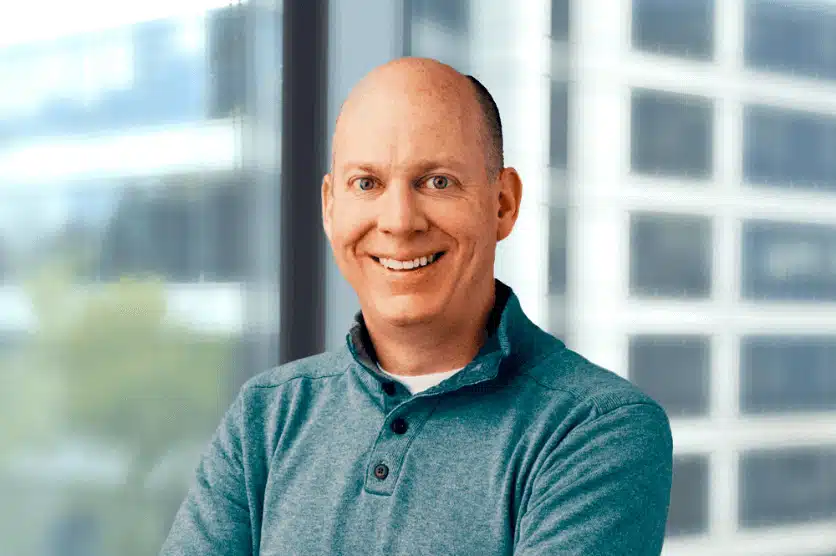
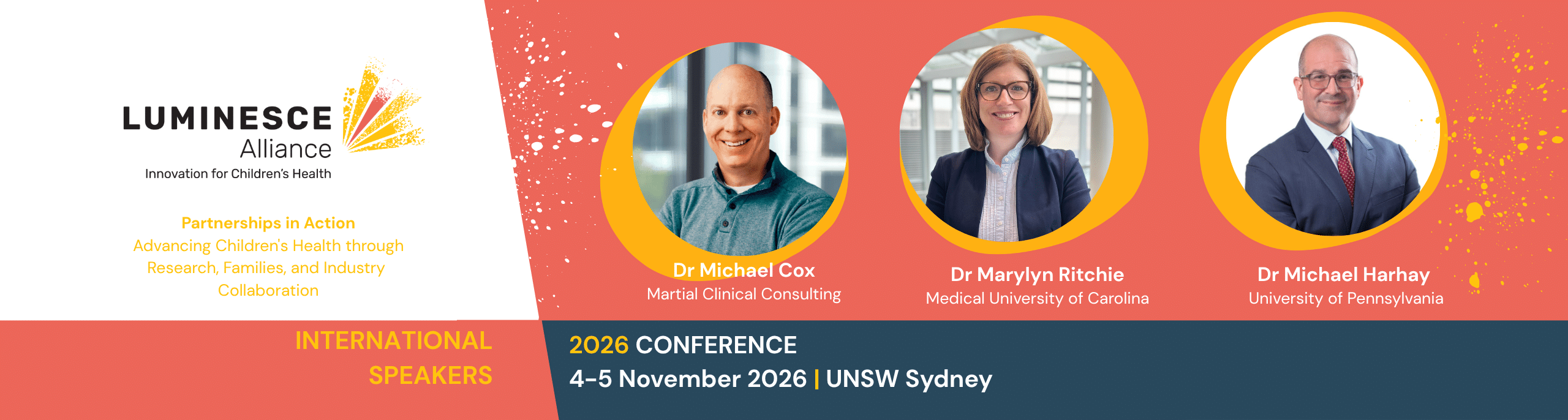
Dr Michael Cox
Founder and Principal, Martian Clinical Consulting
Speaker Bio
Michael Cox, Pharm.D., M.H.Sc., BCOP
Dr. Michael Craig Cox is the founder and Principal of Martian Clinical Consulting, an independent consultancy specializing in oncology drug development strategy with a particular focus on pediatric cancer.
With more than 20 years of experience across large pharma, mid-size, and startup biotechnology companies, Dr. Cox is one of a small number of industry leaders with deep, hands-on expertise in both pediatric and adult precision oncology — having shepherded multiple molecularly targeted therapies through clinical development and global regulatory approval for children and adults alike.
Dr. Cox has played an instrumental role in the clinical development and regulatory approvals of multiple landmark oncology agents, including tovorafenib (Ojemda™), selpercatinib (Retevmo®), larotrectinib (VITRAKVI®), radium-223 (Xofigo®), regorafenib (Stivarga®), sorafenib (Nexavar®), cetuximab (ERBITUX®), denosumab (XGEVA®), and darbepoetin alfa (Aranesp®). His work has spanned pediatric and adult populations, with particular expertise in molecularly targeted, tissue-agnostic, and small molecule kinase inhibitor programs.
Prior to founding Martian Clinical Consulting, Dr. Cox served as Senior Vice President, Head of Early Development at Circle Pharma, where he built a 20-person development organization and led the first clinical-stage program from development candidate selection. Before joining Circle, he served as Vice President of Clinical Development at Day One Biopharmaceuticals, where he led the pediatric development program for tovorafenib.
Earlier in his career, he held global and regional clinical development and medical affairs positions of increasing responsibility at Loxo Oncology (acquired by Eli Lilly & Co.), Bayer Consumer Care AG (Basel, Switzerland), Merck KGaA (Darmstadt, Germany), and Amgen, Inc.
Dr. Cox has published abstracts and manuscripts in journals including The New England Journal of Medicine, Lancet Oncology, the Journal of Clinical Oncology, Cancer, and Clinical Cancer Research. He is a member of numerous cancer research organizations including the American Association of Cancer Research, the American Society of Clinical Oncology, and the European Society of Medical Oncology.
Dr. Cox earned his Pharm.D. from Ohio Northern University’s Raabe College of Pharmacy and an MHSc in Clinical Research from Duke University’s School of Medicine. He completed pharmacy practice residencies at Mission Hospitals (Asheville, NC) and the University of Pittsburgh Cancer Institute (Pittsburgh, PA), followed by a clinical drug development fellowship in the Clinical Pharmacology Section of the Center for Cancer Research at the National Cancer Institute (Bethesda, MD). He is a Board-Certified Oncology Pharmacist (BCOP).
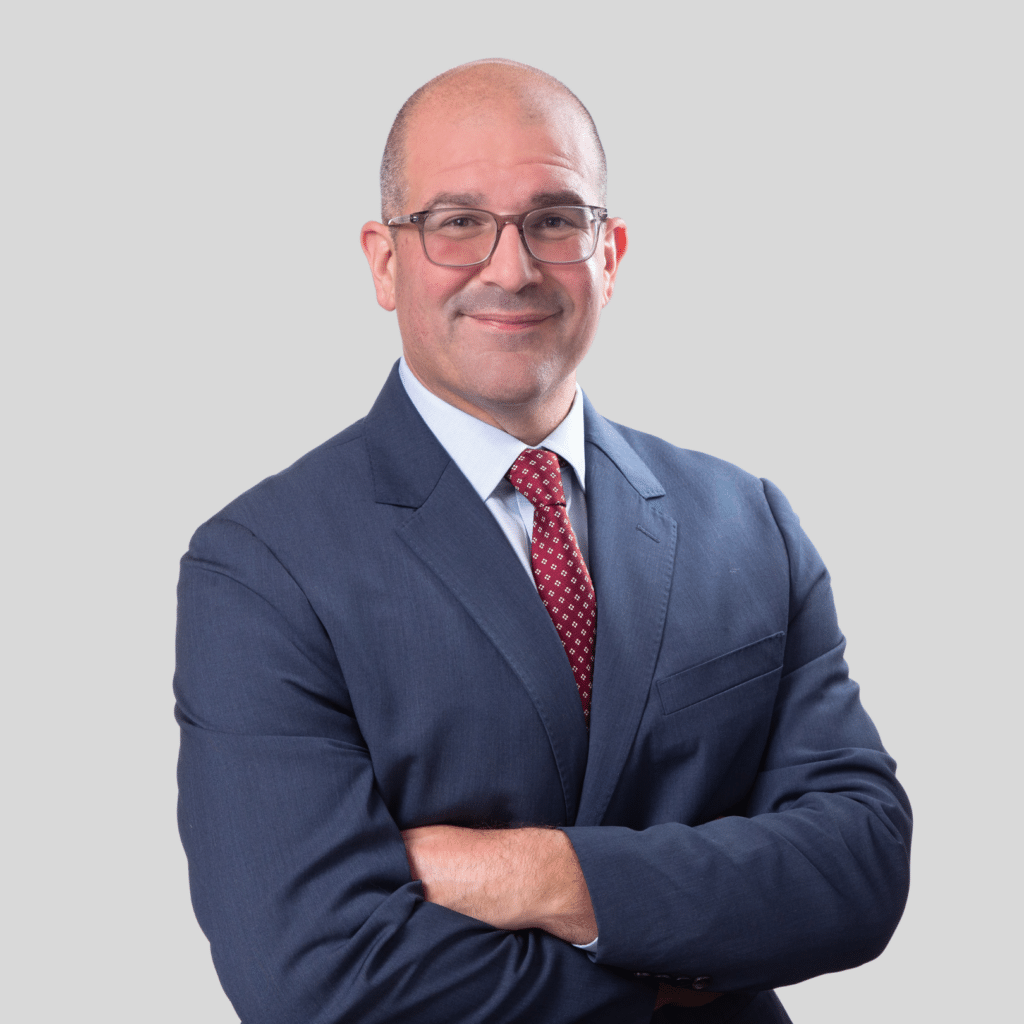
Dr Michael Harhay
Deputy Director of the Division of Epidemiology and Director of the Center for Clinical Trials Innovation, University of Pennslyvannia
Speaker Bio
Dr. Michael Harhay is an Associate Professor of Epidemiology, Medicine, and Statistics and Data Science at the University of Pennsylvania, where he serves as Deputy Director of the Division of Epidemiology and Director of the Center for Clinical Trials Innovation (CCTI).
His PCORI- and NIH-funded research focuses on improving the design, conduct, and reporting of clinical trials, bridging methodological innovation with practical application to help researchers adopt rigorous, modern approaches.
He is Deputy Editor of the American Journal of Respiratory and Critical Care Medicine and the recipient of the 2025 Jo Rae Wright Award for Outstanding Science from the American Thoracic Society.
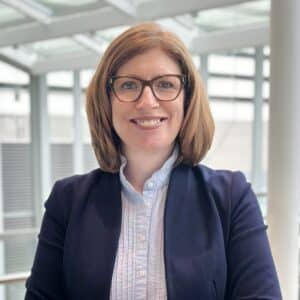
Dr Marylyn Ritchie
Chief AI Officer, and Director AI Center for Health Innovation and Informatics, Medical University of South Carolina
Speaker Bio
Dr. Marylyn D. Ritchie is the Chief Artificial Intelligence Officer for the MUSC Enterprise, Director of the MUSC AI Center for Health Innovation and Informatics, as well as Associate Dean for Artificial Intelligence and Director of the Division of Computational Health Sciences and Al in the College of Medicine at the Medical University of South Carolina (MUSC). Dr. Ritchie is also the SmartState Endowed Chair in Translational Biomedical Informatics. Dr. Ritchie is an expert in translational bioinformatics, with a focus on developing, applying, and disseminating algorithms, methods, and tools integrating electronic health records (EHR) with genomics. Dr. Ritchie has over 20 years of experience in translational bioinformatics and has authored over 500 publications. Dr. Ritchie was appointed as a Fellow of the American College of Medical Informatics (ACMI) in 2020. Dr. Ritchie was elected as a member of the National Academy of Medicine in 2021. Dr. Ritchie was a member of the ELAM class of 2022.
In her new role, Dr. Ritchie is developing the AI strategy across MUSC. She is leading enterprise-wide strategies to harness AI in support of the institution’s tripartite mission of education, research, and patient care. She is focused on building collaborative AI initiatives that connect clinicians, faculty, industry partners, staff, students, and trainees to drive innovation at MUSC.

Dr Kim Sutherland
Executive Director, Office for Health and Medical Research, NSW Health
Speaker Bio
Dr Kim Sutherland leads the Office for Health and Medical Research. Prior to her appointment to OHMR, she held Director roles at the Agency for Clinical Innovation and the Bureau of Health Information. Kim is a health services researcher with experience in performance measurement and reporting, evaluation and assessment of quality, and change management in healthcare organisations. She played a central role in the development of performance measurement frameworks in NSW and the UK and co-authored a series of reports on the English NHS quality agenda. Kim holds a Master of Science from London Hospital Medical College, a Master of Business Administration from Imperial College London and a PhD from the University of Cambridge. In 2022, Kim received the Public Service Medal for outstanding public service to NSW Health.

Professor Adam Jaffe
John Beveridge Professor and co-head of Paediatrics and Child Health at UNSW, Sydney
Speaker Bio
Professor Adam Jaffe is the John Beveridge Professor and co-head of Paediatrics and Child Health at UNSW, Sydney, and head of the respiratory department at Sydney Children’s Hospital Randwick. Jaffe has expertise in rare diseases and chairs the Scientific and Medical Advisory Committee of Rare Voices Australia. He contributed to the writing of the National Strategic Action Plan for Rare Diseases and the National Recommendations for Rare Disease Health Care. Jaffe has is a steering committee member of the Rare Diseases International Western Pacific Taskforce and previously the International Rare Disease Research Consortium n of 1 Taskforce. Jaffe established the molecular and integrative precision medicine centre for cystic fibrosis at UNSW Sydney and was a lead investigator for the Luminesce Alliance Cystic Fibrosis Functional Genomics Project.

Tiffany Boughtwood
Australian Health Genomics Commissioner, Genomics Australia
Speaker Bio
Tiffany Boughtwood is the inaugural Australian Health Genomics Commissioner, guiding the work of Genomics Australia and providing advice to Government based on broad engagement with the genomics sector and community.
Tiffany has 30 years’ experience in molecular biology and management: leading academic and diagnostic genomic programs; collaborating internationally in genomic research; and consulting in health genomic implementation.
She was the Managing Director of Australian Genomics, a national collaborative supporting genomic research and its translation into clinical practice. She served on the World Economic Forum Global Future Council for Biotechnology and the WHO Collective Global Network for Rare Disease. Tiffany is a member of the WHO Technical Advisory Group on Genomics, is on the Strategic Leadership Committee for the Global Alliance for Genomics and Health, and is an International Advisor to the MyGenom Project Malaysia.
Speakers

Professor Hilda Pickett
Head of the Telomere Length Regulation Unit at Children’s Medical Institute (CMRI), and Professor in the Faculty of Medicine and Health at The University of Sydney
Speaker Bio
Professor Hilda Pickett is Head of the Telomere Length Regulation Unit at Children’s Medical Institute (CMRI), Sydney, Australia, and Professor in the Faculty of Medicine and Health at the University of Sydney. She obtained her PhD from the Department of Genetics at the University of Leicester, and completed postdoctoral positions at Cancer Research UK, St James’s University Hospital, Leeds, and in the Cancer Research Unit at CMRI, prior to establishing her lab at CMRI. Her research focuses on the mechanisms that maintain telomere integrity and drive cellular immortalisation, with a particular emphasis on the Alternative Lengthening of Telomeres (ALT) pathway in cancer. Professor Pickett has made seminal contributions to understanding ALT biology, including the discovery of key molecular dependencies that have enabled the development of the first targeted therapeutic strategies for ALT cancers. Her work spans fundamental mechanistic research through to translation. She is an inventor on multiple international patents and co-founder of Tessellate Bio, a biotechnology company developing novel precision oncology therapies.

Professor Robyn Jamieson
Director, Eye Genetics Research Unit, Children's Medical Research Institute
Speaker Bio
Professor Robyn Jamieson leads the Eye Genetics Research Unit at Children's Medical Research Institute (CMRI), and heads the Eye Genetics Clinic at The Children’s Hospital at Westmead. She is also Head of the Western Sydney Genetics Program, The Children’s Hospital at Westmead, and Head, Speciality of Genomic Medicine, University of Sydney.
She has established a research program dedicated to understanding molecular mechanisms contributing to developmental eye disorders and genetic retinal diseases. Her research has successfully translated to the availability of clinical genomic diagnostics and clinical trials and therapy in these conditions. The aim of Professor Jamieson’s current research is to develop detailed understanding of the role of retinal disease genes causing blindness, and to use genome engineering, cellular and vector technologies for novel treatments for these conditions.
The aim of Professor Jamieson’s current research is to develop detailed understanding of the role of retinal disease genes causing blindness, and to use genome engineering, cellular and vector technologies for novel treatments for these conditions.

Professor Tracy Bryan
Head of the Cell Biology Unit at Children’s Medical Research Institute (CMRI) and Professor in the Faculty of Medicine and Health, University of Sydney
Speaker Bio
Professor Tracy Bryan is Head of the Cell Biology Unit at Children’s Medical Research Institute (CMRI) and Professor in the Faculty of Medicine and Health, University of Sydney. Professor Bryan is a biochemist and cell biologist who has been active in the telomere field since 1993, and has made fundamental discoveries in the field, such as the discovery of the Alternative Lengthening of Telomeres (ALT) mechanism in human cancers, and the discovery of a new gene mutated in Telomere Biology Disorders, ACD. In recognition of these discoveries, she was the inaugural recipient of the ACGT Award (the Australian Cell cycle, Genome stability and Telomere biology award) in 2023. She received a PhD from University of Sydney in 1997, receiving the Peter Bancroft Prize for research. She carried out postdoctoral research with Nobel Laureate Thomas Cech in Colorado, returning to establish her laboratory at CMRI in 2001. The research in Professor Bryan’s laboratory focusses on the role of telomerase, the enzyme that maintains telomeres, in cancer and in bone marrow failure syndromes.

Dr Teresa Anderson AM
Chief Executive Single Digital Patient Record Implementation Authority
Speaker Bio
Dr Teresa Anderson AM is the Chief Executive of Single Digital Patient Record (SDPR) Implementation Authority. has more than 35 years of extensive experience as a senior health service manager. She has a well-established reputation for implementing strategies focused on fostering partnerships, supporting the delivery of innovative, patient centred, best practice health care.
Dr Anderson was the Chief Executive of Sydney Local Health District for over 13 years.
She is a Speech Pathologist, internationally recognised for her specialist knowledge and skills in the research, assessment and management of paediatric and adult dysphagia, early communication development, early childhood development and early intervention.
She is a member of the Australian Eating Disorders, Research and Translation Centre Governing Council, a board member of the Centre for Primary Health Care Equity and the Institute of Public Administration Australia NSW.
In the 2018 Queen’s Birthday Honours, Dr Anderson was made a Member of the Order of Australia for her service to community health and to public administration in NSW as a clinician, manager and health service executive.

Professor Wendy Gold
Head of School, Faculty of Medicine and Health, University of Sydney, and group leader of the Molecular Neurobiology Research group at Kids Research, The Children’s Hospital, Westmead.
Speaker Bio
Professor Wendy Gold
Wendy Gold is a Professor at the University of Sydney and leads a research team at The Children’s Hospital at Westmead in Sydney. She trained in genetics, completing both an Honours degree and a PhD.
Her work focuses on conditions that affect how the brain develops in children, including Rett syndrome and CDKL5 Deficiency Disorder. Professor Gold’s goal is to better understand these conditions, to discover biomarkers that will inform and guide future clinical trials and to help develop new treatments that improve the lives of affected children and their families.
Her team studies patient cells in the lab, including specialised brain cells grown from skin or blood samples. They also use small “mini-brain” models to better understand how the brain develops and what goes wrong in these conditions. This research helps identify early signs of disease and test potential therapies, including gene therapy approaches that aim to correct faulty genes.
Professor Gold’s work brings together experts from many areas, including brain science, medicine, and drug development. With over 17 years of experience, she has contributed to major advances in understanding rare childhood brain disorders and is actively working towards safer and more effective treatments.
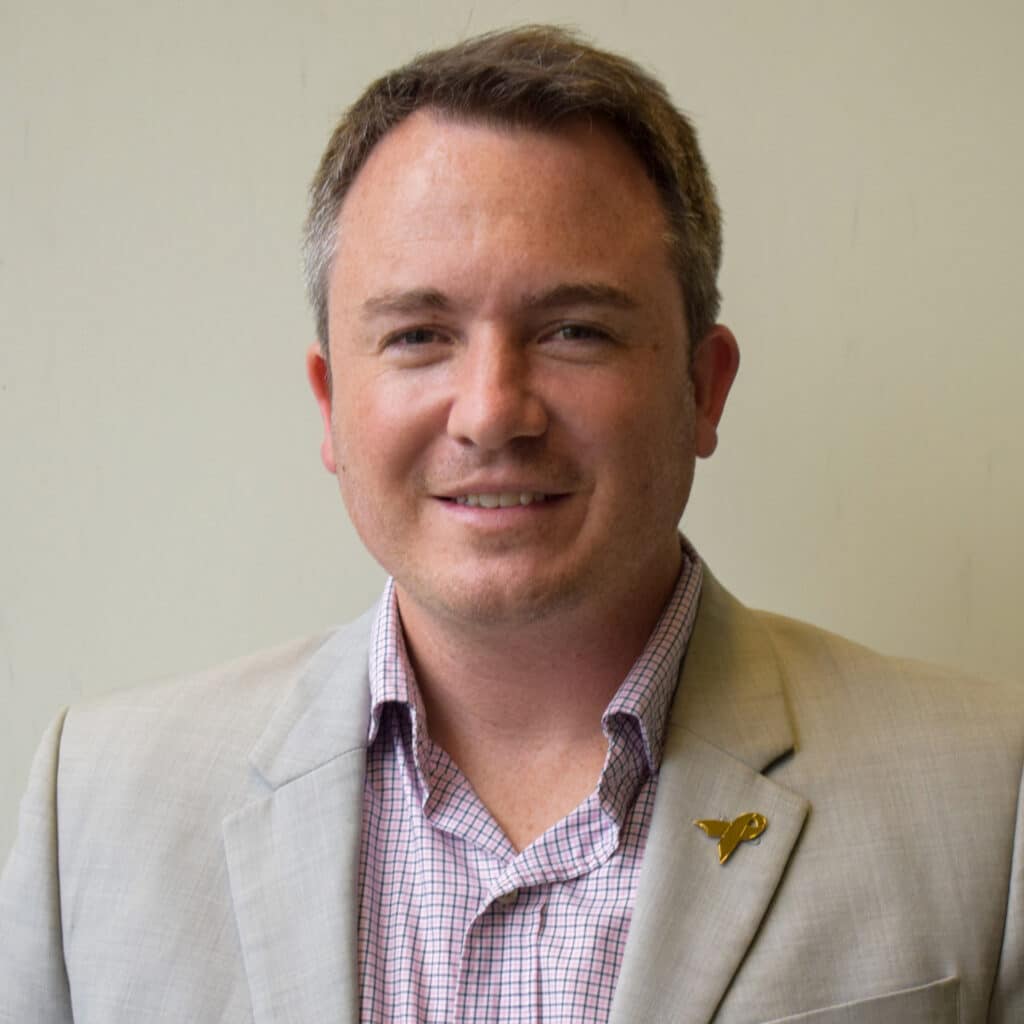
Professor Mark Cowley
Deputy Director, Enabling Platforms & Collaboration and Group Leader, Children’s Cancer Institute
Speaker Bio
Professor Mark Cowley is Deputy Director, Enabling Platforms and Collaboration at Children’s Cancer Institute (CCI) and Conjoint Associate Professor, Faculty of Medicine and Health, UNSW Sydney.
He joined CCI in 2018 to head the Computational Biology Group, and is also a Lead Investigator and co-head of the Luminesce Alliance Data Enabling Platform, president of AGTA (peak genomics body in the region) co-head of the ACRF Child Cancer Liquid Biopsy Program and a member of Rare Diseases NSW.
Mark is the Genome Informatics and Data Enabling Platforms lead for the Zero Childhood Cancer Program, overseeing creation of novel analytical approaches and systems that enable real-time analysis of Whole Genome, Transcriptome and Methylome data for every childhood cancer patient in Australia. Mark has been an early adopter of sequencing methods in Australia, establishing some of the world’s first clinically accredited WGS-based diagnostic tests. Mark’s recent projects, many supported by the Luminesce Alliance, have improved analysis of children’s cancer data, producing tools to detect features such as non-coding, splicing, mitochondrial and structural mutations.
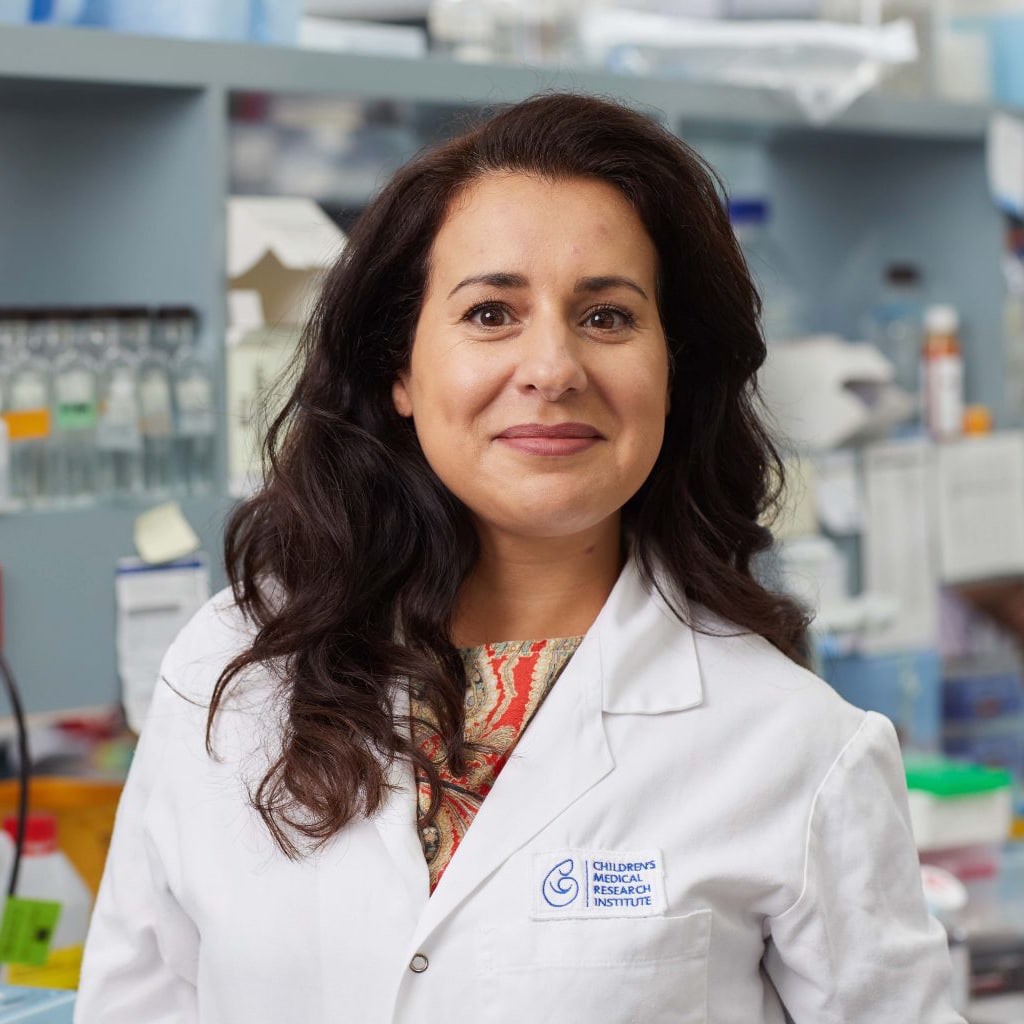
A/Prof Anai Gonzalez-Cordero
Group Leader Stem Cell Medicine and Head of the Stem Cell & Organoid Facility, Children’s Medical Research Institute
Speaker Bio
Associate Professor Anai Gonzalez-Cordero is a Al & Val Rosenstrauss Fellow, and a Group Leader at Children’s Medical Research Institute (CMRI), The University of Sydney.
Dr Gonzalez-Cordero is a leader in the field of stem cells and their differentiation into organoids with an emphasis on translational research to develop novel therapies for retinal genetic diseases.
Having started her scientific career in the UK, she obtained a Wellcome Trust PhD in Stem Cell and Developmental Biology and continued her work at the Institute of Ophthalmology, University College London. In 2019, Dr Gonzalez-Cordero relocated to Australia to continue her research programme in stem cells and ophthalmology. Her work in the field has led to numerous awards, including the MetCalf Prize for Stem Cell Research in 2022, and high impact studies including proof-of-concept studies for stem cell-based cell therapy by transplantation of the light sensing cells, the photoreceptor cells, which once in the eye can rescue vison perception in blind animal models. At CMRI she also heads the Stem Cell and Organoid Facility proving iPSC lines and human organoid models for Australian researchers.
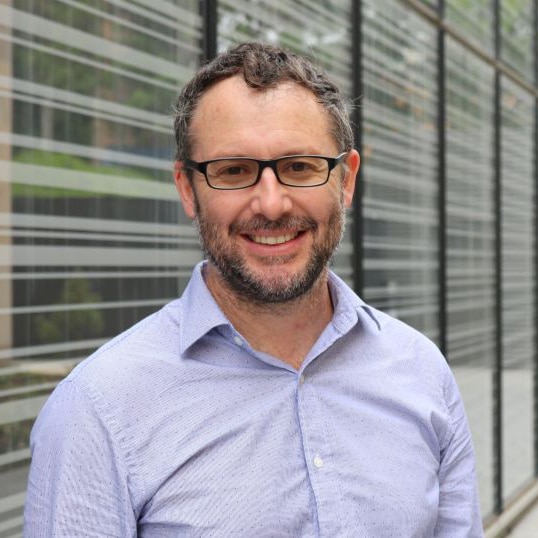
Professor Tom Snelling
Director of the Health and Clinical Analytics, School of Public Health, University of Sydney, Children’s Hospital at Westmead
Speaker Bio
Professor Tom Snelling is a clinical scientist, Director of Health and Clinical Analytics in the School of Public Health at The University of Sydney, and an infectious diseases physician at Sydney Children’s Hospitals Network. Tom has particular interest in vaccine preventable diseases and application of decision theory to research design. He leads a team of researchers aiming to improve healthcare and reduce the burden of infectious disease by implementing learning health systems.
Tom applies Bayesian approaches to the design, implementation, and analysis of public health studies, and is successfully leading a suite of multi-institutional collaborative projects across Australia covering a range of clinical domains. These include improving treatment and prevention of severe gastroenteritis in remote Aboriginal children, primary prevention of food allergies in children, SMS text messages to improve timeliness of routine immunisation, and improving management of cystic fibrosis.

Professor Louis Chesler
Professor of Childhood Cancer Biology and Therapeutics Executive Director, Children’s Cancer Institute of Australia Co-Director, The Minderoo Comprehensive Children’s Cancer Centre, Sydney Children’s Hospital, Randwick, Australia
Speaker Bio
Professor Louis Chesler is a highly regarded clinician researcher dedicated to discovering and translating new treatments for children with cancer. In 2025, he was appointed Executive Director of Children’s Cancer Institute (CCI), following an international career spanning leading hospitals and research institutes in the United States and United Kingdom.
Louis began his career as a paediatric oncologist while establishing a neuroblastoma and medulloblastoma research program at the University of California, San Francisco. Before joining CCI, he led the Paediatric Oncology Experimental Medicine Centre at the Institute of Cancer Research (ICR) in London, recognised for pioneering first-in-child therapeutics and genomics-driven precision medicine trials, including the UK’s national personalised medicine program for childhood cancer, SMPaeds.
He also co-led major cancer modelling initiatives with the MRC National Mouse Genomics Network and served as Head of Translational Cancer Research at The Royal Marsden NHS Foundation Trust. Louis has a strong interest in clinical genomics, liquid biopsy and immune-oncology, with a focus on advancing laboratory discoveries into transformative therapies for children with cancer.

Professor Maria Kavallaris AM
Professor and Head of Translational Cancer Nanomedicine NHMRC Investigator Children's Cancer Institute
Speaker Bio
Professor Maria Kavallaris AM is Founding Director of the Australian Centre for NanoMedicine at UNSW Sydney, Head of the Translational Cancer Nanomedicine at the Children’s Cancer Institute, and an NHMRC Investigator. She is internationally recognised for leading interdisciplinary research in cancer nanomedicine and therapeutics. Her research has uncovered key mechanisms of resistance to cancer therapies and translated into patents, industry partnerships, and clinical development of novel therapeutics and devices, including nanoparticle based delivery of gene silencing agents and chemotherapy.
Professor Kavallaris served as Chair of the Australian Institute for Policy and Science and is a Life Member and past President of the Australian Society for Medical Research. She is a Fellow of AAHMS, RSN, CRS and AIMBE, and has received numerous honours, including the Eureka Prize, Premier’s Award for Leadership in Innovation, and appointment as a Member of the Order of Australia.

Professor Matt Dun OAM
Chair in Medical Sciences and Professor of Paediatric Haematology/Oncology Research at the University of Newcastle
Speaker Bio
Professor Matt Dun OAM is Chair in Medical Sciences and Professor of Paediatric Haematology/Oncology Research at the University of Newcastle, where he leads Brain Cancer Research within the Hunter Medical Research Institute’s Precision Medicine & Health Program and the paediatric stream of the MHF Centre for Brain Cancer Research.
His work focuses on DMG and DIPG, integrating spatial biology, proteogenomics, AI and clinical trials to develop adaptive precision therapies for children with brain cancer.
Matt’s research underpins the international PNOC022 clinical trial (NCT05009992) and has helped define key genetic, metabolic and immune mechanisms driving treatment resistance in DMG.
He has published more than 110 papers and secured over $45 million in competitive, philanthropic and industry funding.
Internationally recognised for his translational impact, Matt has received 38 national and international awards, including the ASMR Medal, the NSW Premier’s Outstanding Cancer Research Fellow Award (Cancer Institute NSW), University of Newcastle and HMRI Mid-Career Researcher of the Year awards, the PNOC Basic Science Trailblazer Award, the International DIPG Big Hero, Innovator and Spirit Awards, the AFR Emerging Leader Award, and the Medal of the Order of Australia (OAM).

Dr Rebecca Poulos
Group Leader (Multi-Omics and Childhood Cancer) and Senior Research Fellow in ProCan at Children’s Medical Research Institute, and a Conjoint Senior Lecturer at the University of Sydney.
Speaker Bio
Dr Rebecca Poulos is a Group Leader (Multi-Omics and Childhood Cancer) and Senior Research Fellow in ProCan at Children’s Medical Research Institute, and a Conjoint Senior Lecturer at the University of Sydney. She has expertise in cancer genomics, proteomics and data science, and leads a translational research lab that uses big data from childhood cancer to understand cancer biology, predict drug response and develop methods for large-scale multi-omic data analysis in childhood cancer. Prior to this, her research focused on cancer genomics, specifically investigating associations between somatic mutations and DNA repair, methylation and gene expression in cancer.

Emma Maly
Parent and patient advocate
Speaker Bio
Emma Maly BSN Nursing is the proud full-time mother and carer of ten-year-old Grace and her two older brothers. Emma is helping Grace to reach her fullest potential while she navigates life with ADCY5-Related Movement Disorder.
Emma is a member of the Scientific Advisory Board of ADCY5.org foundation and is passionate about raising awareness of the importance of research for improved health outcomes for those living with rare diseases.
Emma started her professional career as an acute care nurse and then moved to the pharmaceutical and biotechnology industry, working as a Field Education Specialist in psychiatry for Lundbeck Australia, a Specialist Sales Representative in oncology for Mayne Pharmaceuticals, and an Oncology and Field Education and Product Specialist for Amgen Australia. Until recently, she provided preoperative and postoperative care for an Orthopaedic Specialist.

Professor Philip Hog
Director, ACRF-Centenary Cancer Research Centre, University of Sydney
Speaker Bio
Professor Philip Hogg has developed a small molecule that non-invasively detects dying and dead tumour cells with remarkably high specificity and sensitivity, called Cell Death Indicator or CDI.
CDI targets the change in plasma membrane permeability that is common to apoptotic and necrotic forms of cell death.
PET imaging of tumour cell death using a gallium-68-labelled CDI has been performed in 50+ cancer patients to date. Elevated levels of constitutive tumour cell death are associated with poor survival in sarcomas, which account for about 15% of childhood cancers.
Replacement of the imaging isotope in CDI with a therapeutic isotope will deliver killing radiation to viable sarcoma tumour cells neighbouring the dying and dead cells.
Importantly, CDI delivery of therapeutic radiation will generate a self-amplifying cascade of tumour cell kill that could address the pervasive problem of residual disease in cancer.

Grantly Mailes
Gecko Consulting
Speaker Bio
Grantly Mailes was a Partner at Boston Consulting Group and one of Australia’s most experienced public-sector technology leaders. He has served as whole-of-government Chief Information Officer in two states, was a partner at EY, and has led organisations through digital transformation across government, energy, industrial goods, automotive, and medical research. He is currently building an AI-enabled synthesis of the global Parkinson’s research base, an attempt to enable an entire field to read its collective knowledge. He has advised on investment strategy for the medical research sector. Grantly brings the outside-in view: a generalist who has watched AI fail and succeed across nearly every public domain and is now applying those lessons to health. He divides his time between Victoria, Australia, and the United Kingdom and, after decades of it, describes himself as a professional speculator on where technology is taking us.

Professor Michelle Farrar
Child Neurologist, Sydney Children's Hospitals Network
Speaker Bio
Professor Michelle Farrar is a mid-career researcher, Child Neurologist at Sydney Children’s Hospitals Network (SCHN), Professor at UNSW, Sydney and Senior Principal Research Scientist (Conjoint) at Neurosciences Research Australia.
Her focus is on translating research into improved care for children with rare neurological diseases and their families. This includes the co-design of models of care that are evidence and strengths based and person-centered.
Prof. Farrar is a member of the Childhood Dementia Initiative Scientific and Medical Advisory Committee and a working group member for the International Consortium for Health outcomes measurement in SMA. She is Chief Investigator on a range of national and international rare disease programs, spanning biomarker discovery, clinical trials and outcomes, newborn screening, lived experiences, stakeholder education and health system readiness for advanced neurotherapeutics.
Prof Farrar has authored over 180 peer-reviewed journal articles (>10,000 citations), including the NHMRC endorsed guidelines for spinal muscular atrophy newborn screening (co-chair) and the national recommendations for rare disease care.
Prof. Farrar has received a number of prestigious awards, including the 2017 Australia and New Zealand Association of Neurologists Leonard Cox Award for research achievements in Neuroscience and in 2019 the silver medal Michelle Beets Memorial Award, NSW Health and Humpty Dumpty Foundation, for improving health outcomes for children in NSW beyond expected. Passionate about equitable global health care, CI Farrar is a member of the WHO regional taskforce supporting the implementation of the WHO Resolution on Rare Diseases.

Dr Richard Mitchell
Director, Kids Cancer Centre at Sydney Children's Hospital, Randwick
Speaker Bio
Dr Richard Mitchell is the Director, Kids Cancer Centre at Sydney Children's Hospital Randwick and Conjoint Lecturer, School of Women and Children's Health, Faculty of Medicine, University of NSW.
Dr Mitchell brings together clinicians, scientists, and allied health workers, within child, adolescent and family-focused treatment centres with the capacity to deliver a range of therapies, now and into the future, as well as education and training facilities.
“It’s about thinking the whole spectrum of care for children’s cancer. From prevention, acute care, survivorship and long-term health outcomes.”

Dr (Elizabeth) Emma Palmer
Clinical Geneticist, Sydney Children’s Hospitals Network
Speaker Bio
Dr (Elizabeth) Emma Palmer is an Associate Professor at the School of Clinical Medicine, University of New South Wales in Sydney, Australia, and Clinical Geneticist at Sydney Children’s Hospitals Network. Dr Palmer is passionate about improving the patient journey for all with rare genetic conditions and their families. Her work aims to improve the recognition of the possibility of genetic conditions by improving clinician education about rare diseases, maximising the diagnostic yield of genetic tests and optimising patient care by linking families to best practice guidelines, treatments and supports. Examples of her impact include the Luminesce Alliance Paediatric Rare Diseases Predisposition Screening project. Dr Palmer strives to ensure that the patient and family voice is always central to all her research. She has over 100 peer reviewed journal articles, including those describing nine new genetic conditions.

Professor Natalie Taylor
Director of Implementation to Impact (i2i) and Director of Research for the School of Population Health at UNSW Sydney
Speaker Bio
Professor Natalie Taylor is an internationally recognised implementation scientist with over 15 years’ experience leading large-scale, multi-institutional programs to accelerate the translation of evidence into routine healthcare.
She is the Founder and Director of Implementation to Impact (i2i) and the Director of Research for the School of Population health at UNSW Sydney.
Her research focuses on equitable implementation of complex innovations across cancer, genomics, precision oncology, cardiology, digital health and health systems, with a strong emphasis on workforce capability building and real-world impact.
She leads interdisciplinary team of 27 academic and professional staff funded entirely through competitive grants.
Across her career, she has secured more than $110 million across 80 awarded competitive research grants and authored 183 peer-reviewed articles with over 9,000 citations on google scholar.
She is widely sought after for national and international collaborations, keynote presentations, and policy advice. Natalie also convenes Australia’s first Master’s level Implementation Science elective.
Throughout her career, Prof Taylor has secured over $64 million in research funding, and is a committed collaborator.
Currently, Prof Taylor is leading an MRFF Rapid Applied Research Translation grant to integrate precision oncology into routine cancer care, as well as two MRFF grants to introduce new technology into the Queensland Newborn Screening Program.
As the Director of Research for the School of Population Health, she drives the strategic research direction of the School, establishing in 2022 Australia’s first Masters elective in Implementation Science. Her contributions to professional leadership include developing gender-equity policies and co-chairing the 2022 NSW Cancer Conference.
Prof Taylor has been honored with several awards, including the 2016 CINSW Premier’s Excellence in Translational Cancer Research Award, the Peter Baume Research Impact Award in 2021, and the CINSW Premier’s Award for Cancer Researcher of the Year – Career Development Fellow in 2022.

Professor Andrew Wilson AO
Co-Director of the Menzies Centre for Health Policy and Economics at The University of Sydney and Professor of Public Health in the Sydney School of Public Health
Speaker Bio
Professor Andrew Wilson is Co-Director of the Leeder Centre for Health Policy, Economics and Data at The University of Sydney and Professor of Public Health in the Sydney School of Public Health.
His research and teaching interests include all aspects of health policy, but especially in the area of chronic disease. In addition to his academic career, he has been Deputy Director General, Policy, Planning and Resourcing, Queensland Health, and Chief Health Officer, and Deputy Director General, Public Health, NSW Health.
He chairs the Independent Accreditation Committee of the Australian Health Practitioners Registration Agency and is a member of the Australian Medical Research Advisory Board.

Anne O’Neill FTSE PSM
Chief Commercial Officer, ANDHealth
Speaker Bio
Anne O'Neill has over 20 years’ experience in the health, medical research and policy sectors.
Anne joined ANDHealth following a distinguished career in public sector leadership, innovation and commercialisation at NSW Health. Widely recognised as one of Australia’s leading architects of health and medical research commercialisation, Anne has driven transformative policy frameworks and cross-sector collaborations, including founding the highly successful NSW Medical Devices Fund. Her leadership has made a lasting contribution to Australia’s innovation ecosystem.
A longtime advocate of diversity, Anne has worked throughout her career to advance opportunities for women and underrepresented groups in health and technology.

Professor Michelle Dickson
Director of the Poche Centre for Indigenous Health, The University of Sydney; and NH&MRC Leadership Fellow
Speaker Bio
Professor Michelle Dickson is a Darkinjung/Ngarigo academic and Director of The Poche Centre for Indigenous Health, a research flagship centre in the Faculty of Medicine and Health, University of Sydney. She lives and works on Gadigal land (Sydney, New South Wales, Australia).
A/Prof. Dickson has worked in Aboriginal and Torres Strait Islander health and wellbeing service delivery and health professions education for over 30 years.
She was formerly Deputy Head of School and previous Academic Program Director of the Graduate Diploma in Indigenous Health Promotion.
In 2021 the Public Health Association of Australia (PHAA) awarded her for contribution to Aboriginal and Torres Strait Islander Public Health.
Prof. Dickson focuses on privileging Aboriginal and Torres Strait Islander ways of knowing, being and doing in education, research, health and wellness.
Her research partnerships include First Nations researchers and communities nationally and internationally.

Dr Kieran Stockton
Research Fellow, Medicinal Chemistry, Monash University
Speaker Bio
Dr Kieran Stockton is a research fellow, Medicinal Chemistry, at Monash University. He has worked in both academia and the biotech industry following the completion of a PhD (2016) in carbohydrate chemistry,
He has developed a strong foundation in practical organic synthesis with a wide range of skills across many different types of chemistry and chemistry techniques.
He is passionate about chemistry research and synthesis, particularly in its application at the interface of biology and chemistry that brings tangible benefits to broader society.

Paul Curnow
Managing Director and Chief Commercial Officer, Akaysha Energy
Speaker Bio
Paul Curnow is the Managing Director and Chief Commercial Officer at Akaysha Energy. He leads Akaysha Energy's cross-business strategy for revenue contracting and entry into new energy markets and products.
Prior to joining Akaysha, Paul held leadership positions in private legal practice with law firms Ashurst (as Global Head of Energy) and Baker McKenzie (as Head of Renewable Energy APAC), building on a successful 25 year legal career focused on clean energy and climate change.
During this time, Paul was recognised as one of Australia's leading renewable energy lawyers and globally as a long-standing market leader in climate change and carbon markets.
During his two decades in private practice, Paul has been a driving force behind giga-watts of market-first greenfield renewable energy and M&A transactions across solar, wind, pumped hydro, energy from waste, and battery storage at both the utility scale and distributed generation. In addition,
Paul has been – and continues to be - a long-standing policy voice for the clean energy sector as the energy transition accelerates toward net zero.

Brett and Raelene Anslow
Parent and patient advocates
Speaker Bio
Brett and Raelene Anslow's 11 year old daughter Holly is being treated for a rare genetic neurological and developmental disorder known as Rett syndrome which gradually causes children to lose the ability to crawl, walk and communicate from the age of about 6 to 18 months.
Rett Syndrome overwhelmingly impacts girls, affecting 1 in 10,000 female babies. Sufferers begin to lose their ability to walk and talk at around 18 months of age and require lifelong 24/7 care. While girls can live into their sixties, they suffer global developmental delay and often also seizures and scoliosis.
Rett Syndrome is a genetic disorder, so it requires gene therapy to cure it.
Raelene and Brett " feel incredibly hopeful that in the very near future there may be a cure for this absolutely devastating disorder."

Dr Michelle Lorentzos
Advanced Therapeutics Medical Lead at The Sydney Children’s Hospitals Network
Speaker Bio
Dr Michelle Lorentzos is the Advanced Therapeutics Medical Lead at The Sydney Children’s Hospitals Network, eading the implementation and delivery of advanced therapeutic treatments and clinical trials for paediatric patients in New South Wales..
She is also Clinical Lead, Neurogenetics Service at the Children’s Hospital at Westmead; and a Senior Clinical Lecturer, Faculty of Medicine and Health, The University of Sydney.
Michelle is a paediatric neurologist with a specific interest in gene replacement therapy and other innovative treatments. She is an investigator on several gene therapy clinical trials for conditions including Duchenne muscular dystrophy and Rett Syndrome and metabolic diseases.
Prior to undertaking her medical studies, Michelle obtained a Communications degree at The University of Technology, Sydney, and she has maintained a strong interest in the role of communication in health equity and outcomes.

Lani Attwood
Acting Director Research Operations for Kids Research at Sydney Children’s Hospitals Network (SCHN)
Speaker Bio
Lani Attwood is the Acting Director, Research at Sydney Children’s Hospitals Network (SCHN), working to achieve our vision as a high-performing research-intensive organisation.
Previously leading strategic and operational initiatives as the Associate Director Research Operations, and program manager of the Kids Advanced Therapeutics program, Lani has worked to harness the Networks capability and expertise in clinical trials and innovation in paediatric care to establish the networks reputation as a national and global leader in clinical trials and advanced therapeutics.
Prior to working for the Network, she has held various clinical, research and leadership positions across NSW Health. Lani has been working in health and medical research sector for over 15 years and brings a comprehensive understanding of both the healthcare system and medical research environment in NSW and Australia.
Her areas of strength are strategy, research development, governance, clinical trials, regulatory frameworks, advanced therapeutics, research translation and fostering collaboration.

Dr Lisa Ewans
Clinical Geneticist, Centre for Clinical Genetics
Speaker Bio
Dr Lisa Ewans is a clinical geneticist with 10 years' experience in rare condition diagnosis and care, and a translational research focus on improving diagnostic pathways and long-term outcomes. Research interests centre on the clinical and patient-reported value of genomic testing, increasing diagnosis through genomic and frontier technologies, and developing equitable, collaborative, cross-disciplinary research pathways focused on improving outcomes for people living with rare conditions.

Dr Marion Mateos
Paediatric Haematologist/Oncologist, Children's Cancer Institute
Speaker Bio
Dr Marion Mateos (MBBS BSc (Med) FRACP PhD) is an early-mid career clinician-researcher and paediatric oncologist, with appointments at Sydney Children’s Hospital Randwick, Children’s Cancer Institute and the University of New South Wales.
Dr Mateos’ clinical practice focuses on the treatment of childhood brain tumours. Her research focuses on improving outcomes in childhood cancer, clinical trial development for high-risk childhood cancer, biomarker development and application of liquid biopsy in collaboration with colleagues at Children’s Cancer Institute, as well as research aimed at reducing treatment-related toxicities. Recent successful Fellowship funding includes a Cancer Institute Early Career Fellowship and a current Col Reynolds Fellowship from The Kids’ Cancer Project.
Panellists
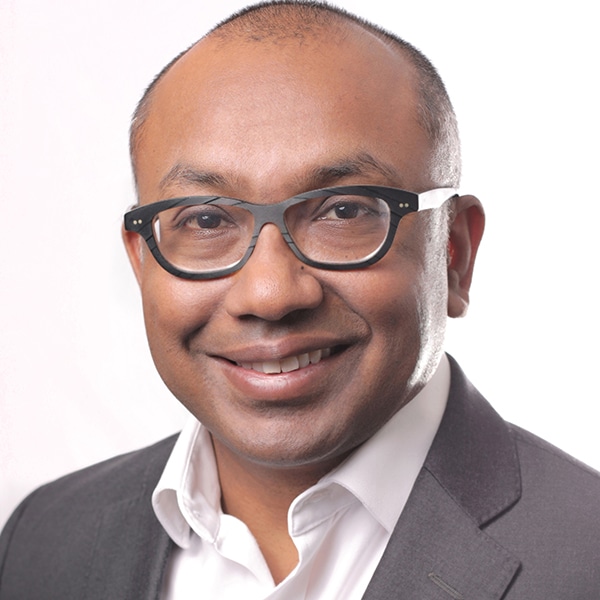
Professor Raghu Lingam
Professor in Paediatric Population and Health Services Research UNSW Sydney, Honorary Professor of Population Child Health at Kings College London and the Black Dog Institute (NSW), Consultant Community Paediatrician Sydney Children’s Hospital Network.
Speaker Bio
Professor Raghu Lingam is a distinguished academic in Paediatrics at UNSW Sydney and an Honorary Professor at the Black Dog Institute. He also serves as a Consultant Community and Neurodevelopmental Paediatrician with the Sydney Children’s Hospital Network, working clinically as a Senior Staff Specialist at the Tumbatin Neurodevelopmental Service at Sydney Children’s Hospital, Randwick. His extensive career in the UK includes academic roles at the London School of Tropical Medicine and Hygiene, The Royal Free/UCL, and the Universities of Bristol and Newcastle. With over 30 years of experience in community and developmental paediatrics and child public health, he works closely with children and families facing complex health, social, and developmental challenges.
As the Lead of the Population Child Health and Health Services Research Group at UNSW and Director of the NSW Centre for Child Health Services Research and Innovations (CHRIS) and its national counterpart, Child UnLimited, Professor Lingam is dedicated to advancing translational health research and addressing inequities in child health outcomes. He has authored over 190 publications and secured more than AUD 50 million in research funding in recent years.
Professor Lingam takes a strengths-based, holistic approach in his work, emphasising the unique abilities of young people and their families. His expertise in assessing and managing children with additional developmental needs informs both his research and clinical practice. His clinical interests include Autism, ADHD, Developmental Coordination Disorder (Dyspraxia), Dyslexia, and the intersection of developmental disorders. His contributions to early childhood development are recognised globally, and he has presented on these topics at prestigious forums, including the WHO, New York Academy of Sciences, and European Academy of Childhood Disability.

Professor Tracey O'Brien
CEO and Chief Cancer Officer, Cancer Institute NSW
Speaker Bio
Professor Tracey O'Brien is a paediatric and adolescent haematologist and oncologist with more than 25 years of experience improving the outcomes of people with cancer in Australia and internationally.
Since 2016, she has been Director of the Kids Cancer Centre at the Sydney Children’s Hospital, leading a team of more than 200 clinical and research staff.
Professor O’Brien played a leading role in the Zero Childhood Cancer Program, an internationally applauded precision medicine program co-led by the Kids Cancer Centre and Children's Cancer Institute.
Her previous positions also included Program Head, Transplant and Cellular Therapies in the Kids Cancer Centre.
Professor O’Brien was the Chair of the Cancer Australia Advisory Board, stepping down in July to take on her new roles. She is also Vice Chair of the Non-North America and Advisory Board of the Centre for International Bone Marrow Transplant Research.

Dr Laura Collie
Associate Director of Research, NSW Ambulance
Speaker Bio
Dr Laura Collie is the Associate Director of Research at NSW Ambulance. Dr Collie is a Senior Medical Advisor and Public Health Physician, who established the Advanced Therapeutics team within NSW Health to support the development and delivery of next generation technologies into the health system.

Megan Maack
Director and CEO, Child Dementia Initiative
Speaker Bio
Megan Maack is the visionary CEO and founder of Childhood Dementia Initiative who is leading world-first action and awareness for all children with dementia. She pioneered the collective consideration of over 100 neglected childhood dementia conditions to improve research, healthcare and policy responses.
Megan draws on her lived and professional experience. She is mother to 2 children with a type of childhood dementia, Sanfilippo syndrome, and the respected founder and former CEO of Sanfilippo Children’s Foundation. She also has an MBA and 15 years’ international experience as a Change Manager, Management Consultant and Project Manager.
In recognition of driving innovation, collaboration and positive change, Megan received a 2021 Pro Bono Australia Impact 25 Award and a 2022 Westpac Social Change Fellowship.
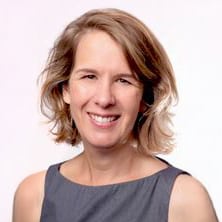
Professor Sue Woolfenden
Director of Community Paediatrics, Sydney Local Health District, Professor of Community Paediatrics, Central Clinical School, Sydney Medical School, the Faculty of Medicine and Health, University of Sydney, Co-chair Sydney Institute Women, Children and their Families
Speaker Bio
Professor Sue Woolfenden is the Director of Community Paediatrics at Sydney Local Health District (SLHD) and Professor of Community Paediatrics at The University of Sydney. In her clinical, service development and research roles she aims to address child health and health care inequities in Australia and globally through innovative integrated health-social service models including Hubs and care navigation. She has 166 peer review publications and > 16 M funding to support her work. She is the co-chair of the Sydney Health Partners Child and Adolescent Clinical Academic Group and the Sydney Institute for Women, Children and their Families at SLHD. She co-leads the psychosocial platform of the Luminesce Alliance.
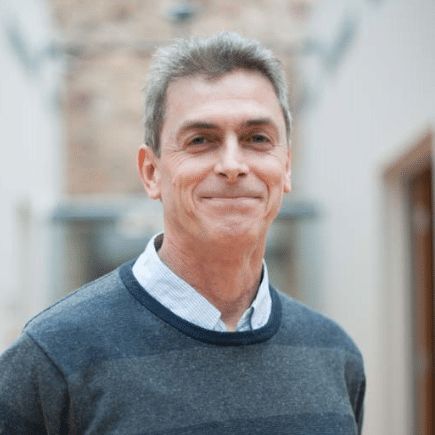
Professor Ian Street
Director, THerapeutic INnovations for Kids (THINK), Children’s Cancer Institute
Speaker Bio
Professor Ian Street joined Children’s Cancer Institute in 2020 as Director of THerapeutic INnovations for Kids (THINK). A new research initiative within the Institute’s Drug Discovery Centre, THINK provides an end-to-end pipeline of drug discovery and development and is dedicated to generating new therapies for rapid clinical application in children with cancer.
Ian has dedicated his 30+ year career to translational research and small molecule drug discovery. After completing a PhD in chemistry and enzymology at the University of British Columbia, Canada, he took up a postdoctoral appointment in the USA. He then joined Merck Research labs in Montreal and spent the next 11 years working in the pharma/biotech industry in North America and Australia.
In 2001, he accepted an appointment at the Walter and Eliza Hall Institute as Laboratory Head and Deputy Director of the Cellular Growth Factors Cooperative Research Centre, spending the next 20 years working to bridge the gap between ‘researchers with great ideas’ and the technical and commercial realities of converting those ideas into new medicines.
‘Drug discovery fascinates me,’ Ian says. ‘It’s amazing to me that we can design a molecule that, when given in tiny amounts, will not affect 99.99% of the proteins and tissues in the patient’s body, but will seek out its target and inactivate it, halting the course of a disease.’
Ian has established a number of facilities designed to take drug research from bench to bedside, and has participated in over 100 collaborative projects involving Australian and international scientists. In 2007 he co-founded the Cancer Therapeutics Cooperative Research Centre, where he was Chief Scientist for 11+ years, during which time the outcomes of eight projects were licensed to pharmaceutical and biotechnology companies.
In 2022, Professor Street was appointed to Conjoint Professor, Faculty of Medicine and Health at UNSW Sydney, in recognition of his contributions to drug discovery both in Australia and internationally.

Trent Zimmerman
Corporate Affairs Director, Alexion, AstraZeneca’s rare disease group
Speaker Bio
Trent Zimmerman is the Director of Corporate Affairs in Australia for Alexion, AstraZeneca’s rare disease group. He is the former Member for North Sydney in the federal parliament and chaired the House of Representatives Standing Committee on Health, Aged Care and Sport between 2015 and 2022. Prior to his parliamentary service, Trent was Deputy CEO of the Tourism and Transport Forum.

Dr Kavitha Kothur
Paediatric neurologist at the Children's Hospital at Westmead (CHW) and NHMRC Senior Research Fellow
Speaker Bio
Dr Kavitha Kothur is a paediatric neurologist at the Children’s Hospital at Westmead (CHW) and NHMRC Senior Research Fellow with a special interest in epilepsy and precision medicine. Her clinical and research aims are to improve genetic diagnosis, biomarkers and treatment of children with neurological disorders and epilepsy to improve outcomes.

Emeritus Professor Leslie White AM
Director, Children’s Cancer Institute
Speaker Bio
Emeritus Professor Leslie White AM has championed the rights and the engagement of children and young people in healthcare settings.
In addition to his roles as a Director on Luminesce Alliance and Children's Cancer Institute Boards, Professor White serves on five not-for-profit boards or organisations relating to children’s health or medical research. He was awarded a Doctor of Science for research contributions related to childhood cancer and holds a Master of Health Administration. In 2007, he received an Order of Australia award for service to medicine, medical administration and the community in the field of paediatrics. Other continuing interests include childhood injury, intellectual disability, health services research and the networking of paediatric services. In 2019, he was awarded a Doctorate of the University (UNSW) honoris causa.
Professor White was appointed the inaugural NSW Chief Paediatrician in September 2010, a position he held until his retirement in 2016. He was Executive Director of Sydney Children’s Hospital from 1995 to 2010, following a clinical and academic career with emphasis on childhood cancer. Other positions have included President of Children’s Hospitals Australasia (1999-2004) and the John Beveridge Professor of Paediatrics (2005-2010). He has over 140 publications and many more abstracts, awards, grants and invited presentations to his name.
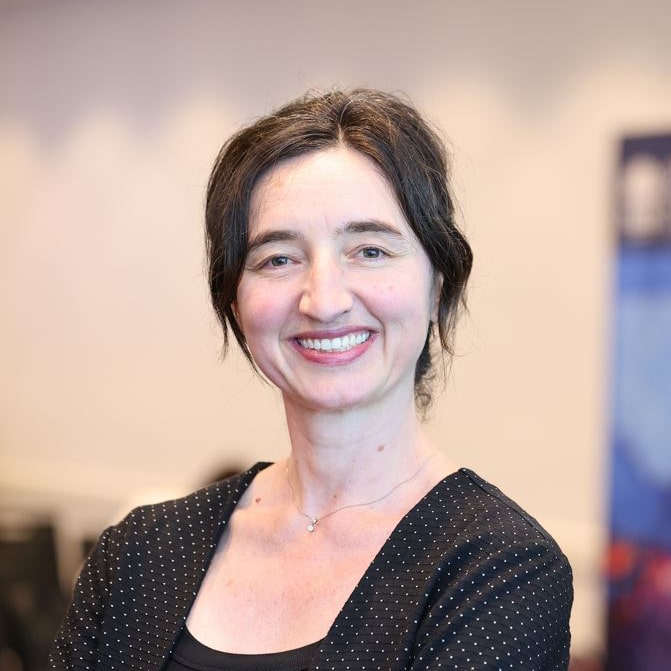
Dr Kate Hetherington
Post-doctoral Research Fellow/Clinical Psychologist School of Clinical Medicine, Faculty of Medicine and Health, UNSW, Sydney, Australia. Team Leader Ethics and Genetics, Behavioural Sciences Unit, Kids Cancer Centre, Sydney Children's Hospital Randwick
Speaker Bio
Dr Kate Hetherington is a Research Fellow and Clinical Psychologist based at the Behavioural Sciences Unit (BSU), School of Clinical Medicine, UNSW Sydney and the Sydney Children’s Hospital, Randwick.
Kate leads the Behavioural Science Unit’s Precision Medicine and Genomics Team, as well as the Luminesce Alliance Psychosocial Enabling Platform, a funding initiative aimed at ensuring the equitable, inclusive, and psychologically safe delivery of paediatric precision medicine. Kate leads several large-scale projects focused on understanding patients’, families’, and health professionals’ experiences of precision medicine and genetic testing for childhood cancer. Her research aims to ensure that the promise of new and emerging treatments is realised, and that patients and professionals have access to the resources and support they need.
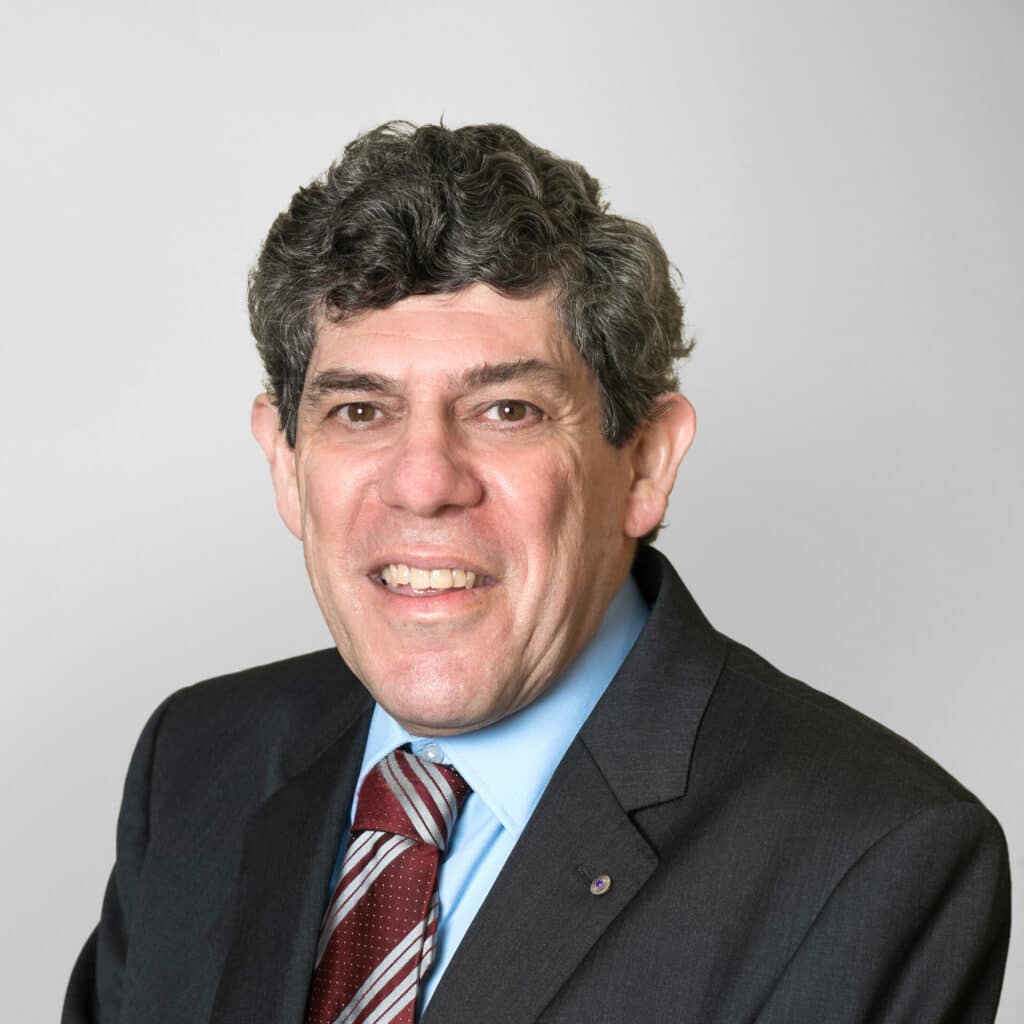
Emeritus Professor Richard Henry AM
Board Member, Luminesce Alliance; Director, Children's Cancer Institute
Speaker Bio
Emeritus Professor Richard Henry AM works as a consultant in health and higher education, following a long and distinguished career in medicine and academic leadership, including as Vice-President and Deputy Vice-Chancellor (Academic) of the University of New South Wales from 2006-2012.
He joined UNSW in 1997 as the Foundation John Beveridge Professor of Paediatrics. He served as head of the School of Paediatrics and then of the School of Women’s and Children’s Health before moving to the role of Senior Associate Dean in the Faculty of Medicine.
Richard was appointed a Member of the Order of Australia in 2007 for service to paediatric medicine as a clinician, researcher, educator and mentor, and serving in a range of roles with professional medical organisations.
He is excited at the prospect of Luminesce Alliance as a paediatric precision medicine powerhouse, being able to reduce the time it previously took to deliver research findings to patients.
Directorships
Board Member - Luminesce Alliance Director – Children’s Cancer Institute
Board member – Legal Aid NSW
Chairman of Trustees – Sydney Grammar School
Former Chair – Centre for Social Impact
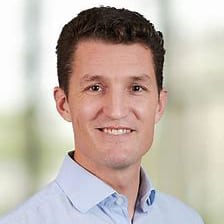
A/Prof Antoine de Weck
Group Leader Computational Drug Discovery Biology Group, Children’s Cancer Institute
Speaker Bio
Associate Professor Antoine de Weck is Group Leader at the Children’s Cancer Institute, a Conjoint Associate Professor at UNSW Sydney and the Lead Investigator of the Luminesce Alliance Innovation Project: Treating Childhood Cancers by Small Molecule Mediated Reactivation of Tumour Suppressors.
Antoine joined Children’s Cancer Institute in January 2022 to establish and lead the Computationally Enabled Drug Discovery (CEDD) Group. CEDD is a hybrid (dry and wet) lab focusing on identifying new therapeutic vulnerabilities in childhood cancers, on identifying new or existing compounds capable of targeting those vulnerabilities, and on establishing an early drug discovery pipeline for small molecules targeting RNA.
Antoine’s group is a key capability of THINK (THerapeutic INnovations for Kids), an initiative dedicated to generating new therapies specifically for children with cancer and moving these from the lab to the clinic as quickly as possible. Before joining Children’s Cancer Institute, Antoine worked at the Novartis Institute for BioMedical Research in Switzerland as a computational biologist in oncology.
Trent Zimmerman
Corporate Affairs Director, Alexion, AstraZeneca’s rare disease group
Speaker Bio
Trent Zimmerman is the Director of Corporate Affairs in Australia for Alexion, AstraZeneca’s rare disease group. He is the former Member for North Sydney in the federal parliament and chaired the House of Representatives Standing Committee on Health, Aged Care and Sport between 2015 and 2022. Prior to his parliamentary service, Trent was Deputy CEO of the Tourism and Transport Forum.

Lucy Jones
CEO Neuroblastoma Australia
Speaker Bio
Lucy Jones is the CEO of Neuroblastoma Australia and mother to Sienna and Jamie Hoffmann.
Lucy is focused on driving change in survival rates through more research, having tragically lost her daughter Sienna to the illness in 2010.
Lucy is passionate about ensuring research funded is the very best research in the area of neuroblastoma so attends key research meetings and liaises with the Neuroblastoma Australia charity’s esteemed Scientific Advisory Board for the grant selection process.

Professor Parmjot Bains
Chief Medical Officer of the UNSW RNA Institute and Professor of Translational Medicine at UNSW Medicine & Health.
Speaker Bio
Professor Parmjot Bains is the Chief Medical Officer of the UNSW RNA Institute and Professor of Translational Medicine at UNSW Medicine & Health.
Prior to her appointment at UNSW, Prof Bains was the Managing Director and CEO of ImpediMed, bringing a wealth of global experience in healthcare management, commercial strategy, and change management from her tenure across multiple regions and roles, including Pfizer’s Gulf Cluster Country Manager.
She has a proven track record of driving significant growth in diverse markets, managing large teams across six countries, and overseeing multiple therapeutic areas, notably including breast cancer.
Trained and practiced as a Medical Doctor in New Zealand and Australia, Dr. Bains transitioned into leadership roles in the healthcare industry, including positions at Neuren Pharmaceuticals and Perseis Therapeutics, as well as a managerial role at McKinsey and Company.

Professor Glenn Marshall AM
Group Leader, Clinical Lead of Zero Childhood Cancer Program, Children's Cancer Institute
Speaker Bio
Professor Glenn Marshall AM is Head of Translational Research, Group Leader of the Embryonal Cancer Therapy and Prevention Group at Children's Cancer Institute and Clinical Lead of Zero Childhood Cancer Program.
Glenn is a paediatric haematologist and oncologist who headed the Kids Cancer Centre at Sydney Children’s Hospital, Randwick, for 18 years.
He leads a number of childhood cancer and chronic illness research networks, clinical research development within ZCC, the Kids Cancer Alliance in NSW, and Kids to Adults Alliance, a new national network aimed at addressing the problems of survivorship for children with chronic illness or disability.
He is also a Conjoint Professor in the Faculty of Medicine at UNSW Australia.
Facilitators
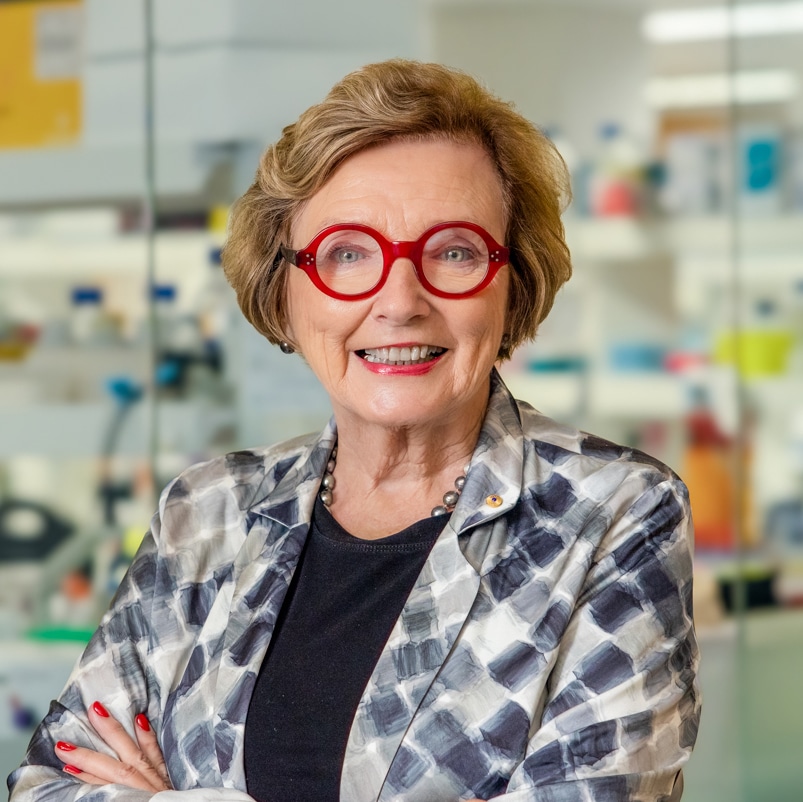
Kathryn Greiner AO
Chair Luminesce Alliance Chair – Pennington Institute Chair – Ministerial Advisory Council on Ageing Chair – Lifestart Co-op Ltd Director – Paul Ramsay Foundation Board Director – Relationships Australia (NSW)
Speaker Bio
Kathryn Greiner AO began her career in Social Work and Early Childhood Services and has contributed in a wide range of leadership positions in public and private companies, government bodies and non-profit organizations.
She has also participated in or led inquiries into education, including the Gonski Review and NSW Catholic Funding Review, and led the Review into Retirement Villages in NSW.
Kathryn is passionate about creating a paediatric translational research hub delivering twenty-first-century precision medicine.
As the Chair of Luminesce Alliance Board, Kathryn also brings corporate board experience in media, financial services and services provision.
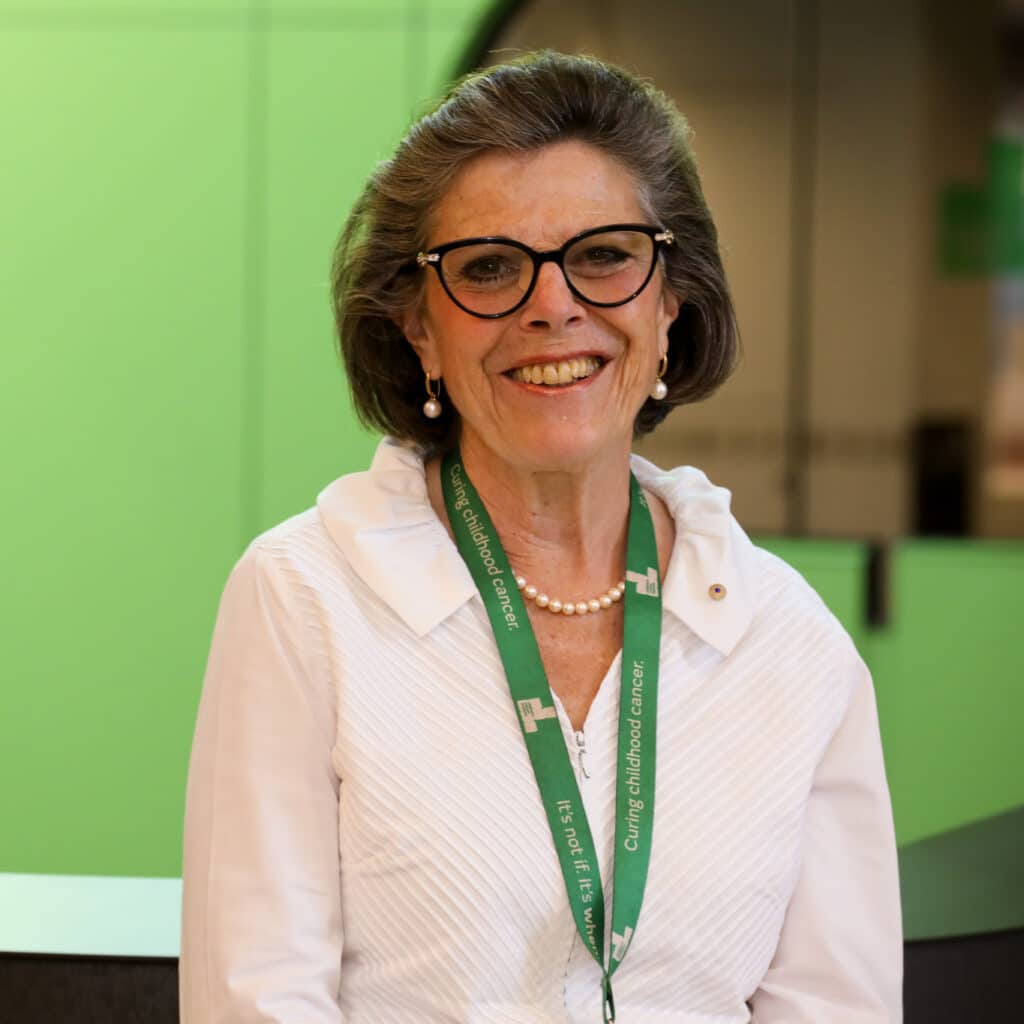
Professor Michelle Haber AM
Head of the Experimental Therapeutics Group, Children's Cancer Institute
Speaker Bio
Professor Michelle Haber AM was appointed the inaugural post-doctoral scientist at Children’s Cancer Institute in 1984. She became Director of the Institute in 2000, and was Executive Director from 2003-2025. She holds a conjoint appointment as Professor in the Faculty of Medicine at UNSW Australia. She is co-Group Leader of the Experimental Therapeutics and Molecular Oncology Group.
Michelle has dedicated her entire professional life to improving clinical outcomes for children with cancer. She is one of Australia’s leading translational researchers and has become the face of Australian childhood cancer research internationally. She is world-renowned for her research into the childhood cancers neuroblastoma and leukaemia, which has led not only to key advances in our understanding of these diseases, but also to new clinical approaches that have improved survival rates.
‘Seeing our science make a difference, knowing we are giving hope and changing outcomes, is tremendous motivation,’ says Michelle, who stresses that implementing her research results into clinical trials is paramount. ‘Genuine translation of research outcomes into benefits for kids with cancer is absolutely key to me.’
Michelle is best-known for defining new molecular targets (genes and proteins that drive the growth and aggressive behaviour of cancers) as well as developing new therapies that attack those targets. Highlights of her career to date include working with Professors Norris and Marshall to implement minimal residual disease testing in children with acute lymphoblastic leukaemia (ALL) which led to a doubling of the survival rate of children with high-risk ALL, and driving the development of Zero Childhood Cancer (ZERO), Australia’s first national child cancer personalised medicine program, which is improving outcomes for children with a range of high-risk cancers.
As Head of the Experimental Therapeutics Group, Michelle’s current research focuses on developing effective treatments for children with neuroblastoma, and extending these treatments to other childhood malignancies including brain tumours, leukaemias and sarcomas. She is also actively involved in developing a number of new research areas arising from the world-leading ZERO program.
In 2007, Michelle was appointed a Member of the Order of Australia for her services to science in the field of research into childhood cancer, to scientific education and to the community. The following year, she was awarded an Honorary Doctorate from UNSW for her eminent service to the cancer research community. In 2014, she received the Cancer Institute NSW’s Premier’s Award for Outstanding Cancer Researcher of the Year, in 2015 was appointed an inaugural Fellow of the Australian Academy of Health and Medical Sciences and in 2022 was elected to the distinguished Australian Academy of Science.
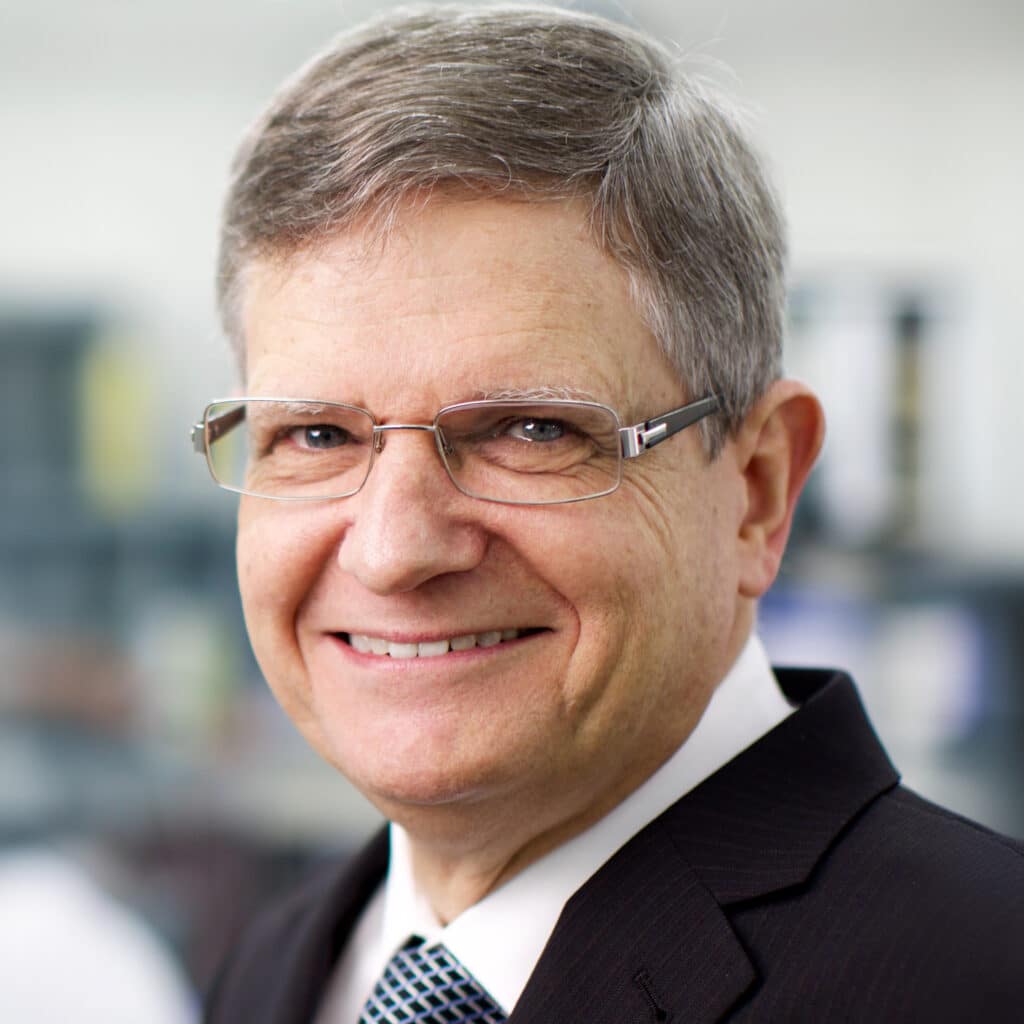
Professor Roger Reddel AO
Sir Lorimer Dods Professor, Faculty of Medicine and Health, Director, Children's Medical Research Institute, Head, Cancer Research Unit, Children’s Medical Research Institute
Master of Ceremonies

Ben Apted
Senior Partner, SPP
Speaker Bio
Ben Apted is the Senior Partner of SPP, an independent advisory firm.
Ben leads SPP’s Education, Research and Digital Practices, contributing nationally and internationally on higher education strategy, engagement and operations.
Ben is known for combining commercial rigour with practical insight, helping organisations navigate complexity and translate emerging opportunities into clear strategic priorities.
His experience includes advising major universities and governments on research investment, infrastructure planning, commercial strategy, innovation ecosystems and large-scale transformation initiatives.

Rachel Melrose
Associate Director, Dandolo Partners
Speaker Bio
Rachel Melrose is an Associate Director with Dandolo Partners managing consulting firm, delivering advice to clients in and around state and federal governments and not for profits across Australia.
Rachel brings extensive expertise in policy development, assessment and organisational strategic planning.
Before joining Dandolo, Rachel held senior executive roles at Victorian Department of Premier and Cabinet and in several key New Zealand government departments including the Pharmaceutical Management Agency.
Professor Roger Reddel AO
Sir Lorimer Dods Professor, Faculty of Medicine and Health, Director, Children's Medical Research Institute, Head, Cancer Research Unit, Children’s Medical Research Institute
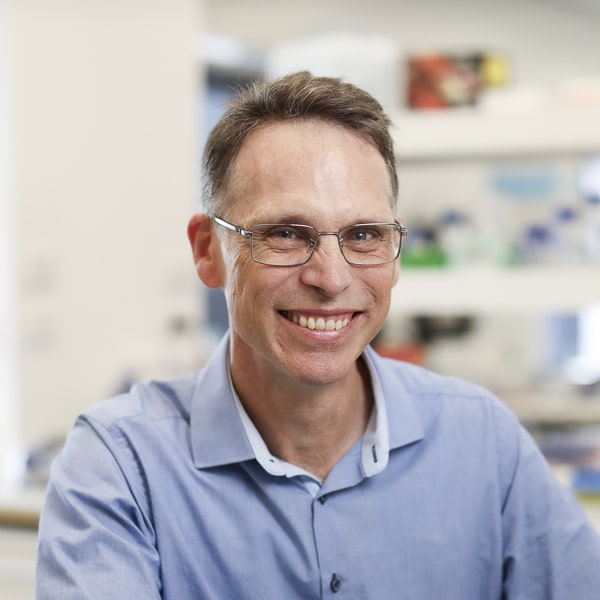
A/Prof Grant Logan
Children’s Medical Research Institute, Sydney Medical School Faculty of Medicine and Health, University of Sydney
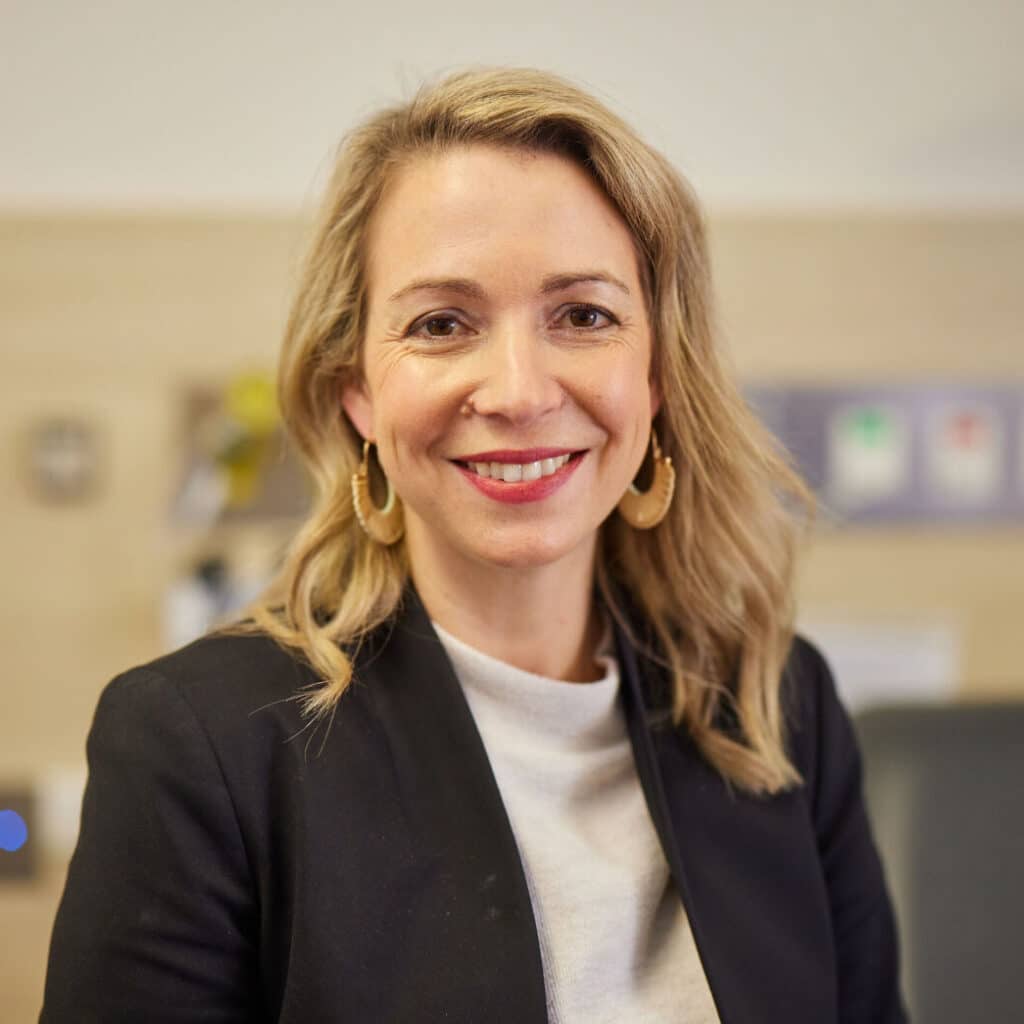
Dr Michelle Lorentzos
Paediatric Neurologist, Clinical Trials Medical Lead, Head of Neurogenetics Service
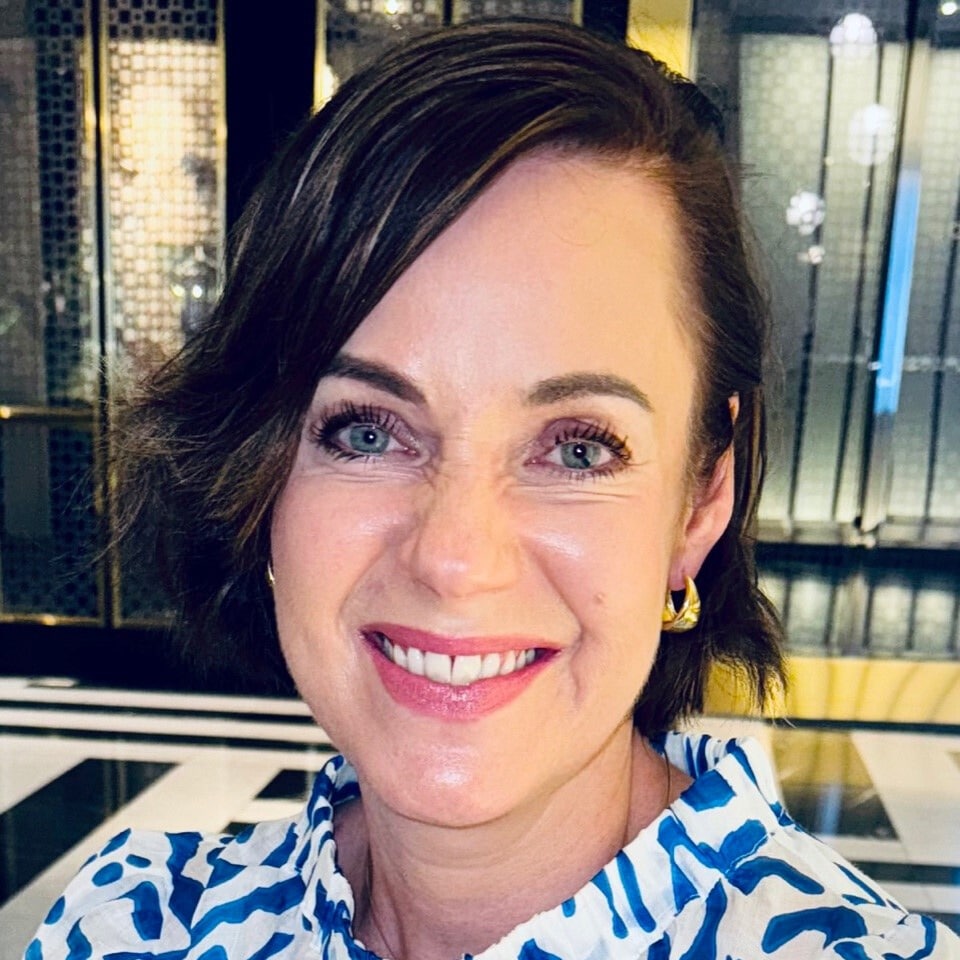
Mrs Emma Maly
Parent Advocate
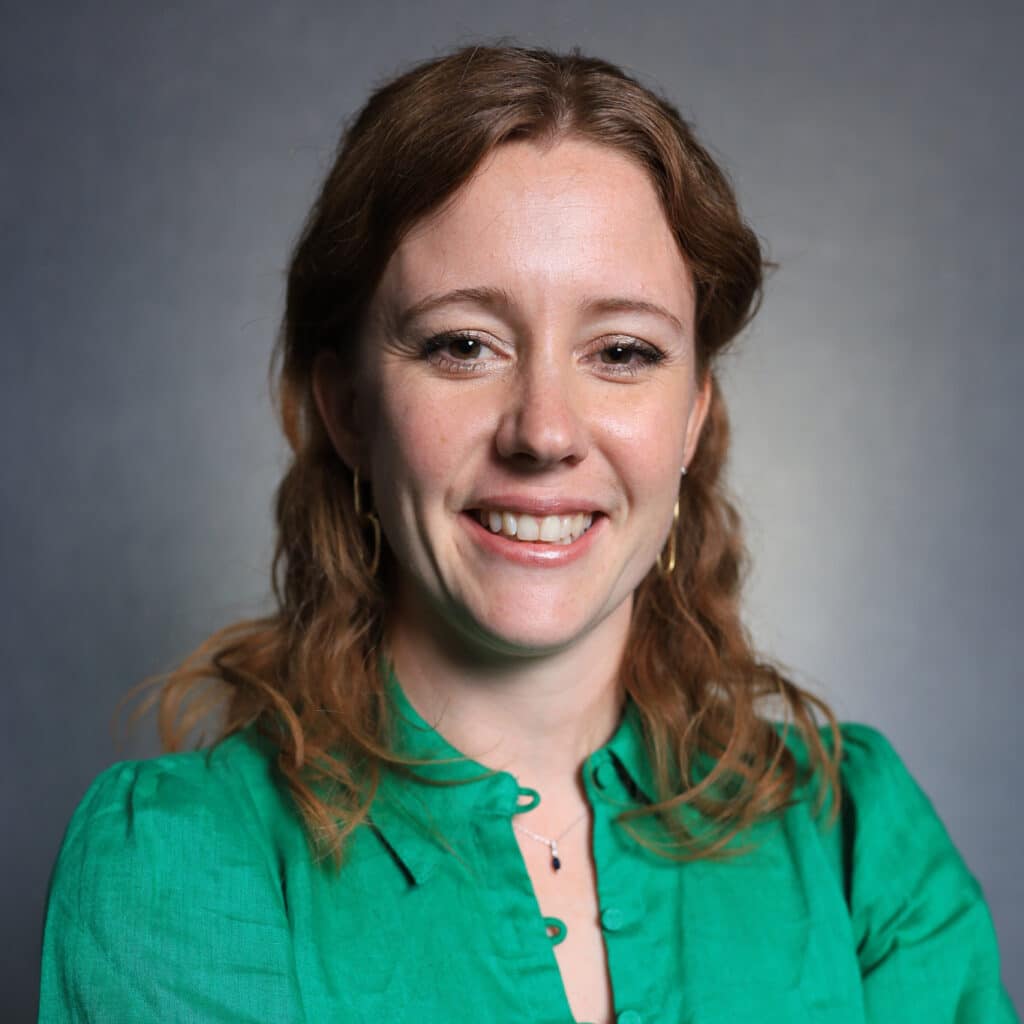
Dr Emily Mould
Children’s Cancer Institute
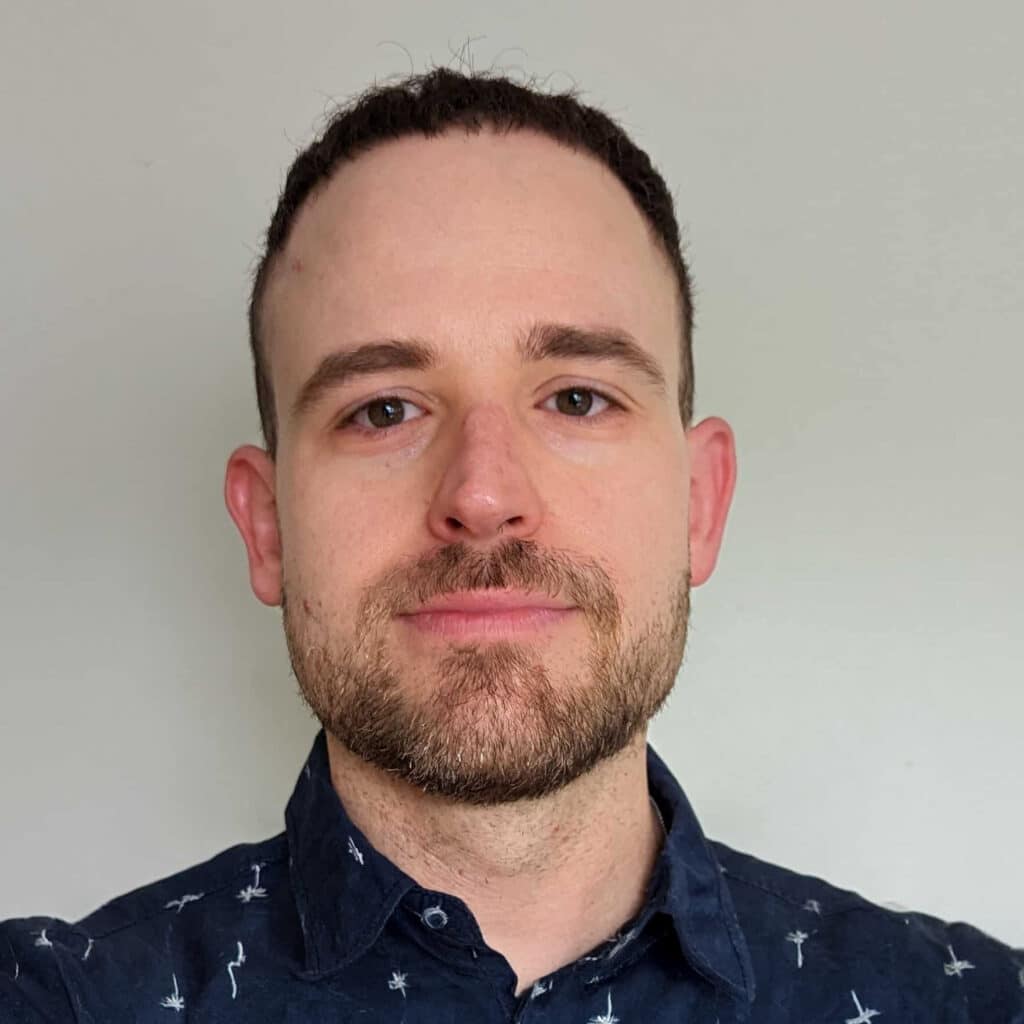
Dr Gabor Tax
Research Officer in the Translational Drug Testing and Pharmacogenomics Children's Cancer Institute, Conjoint Lecturer in the School of Medicine, UNSW.
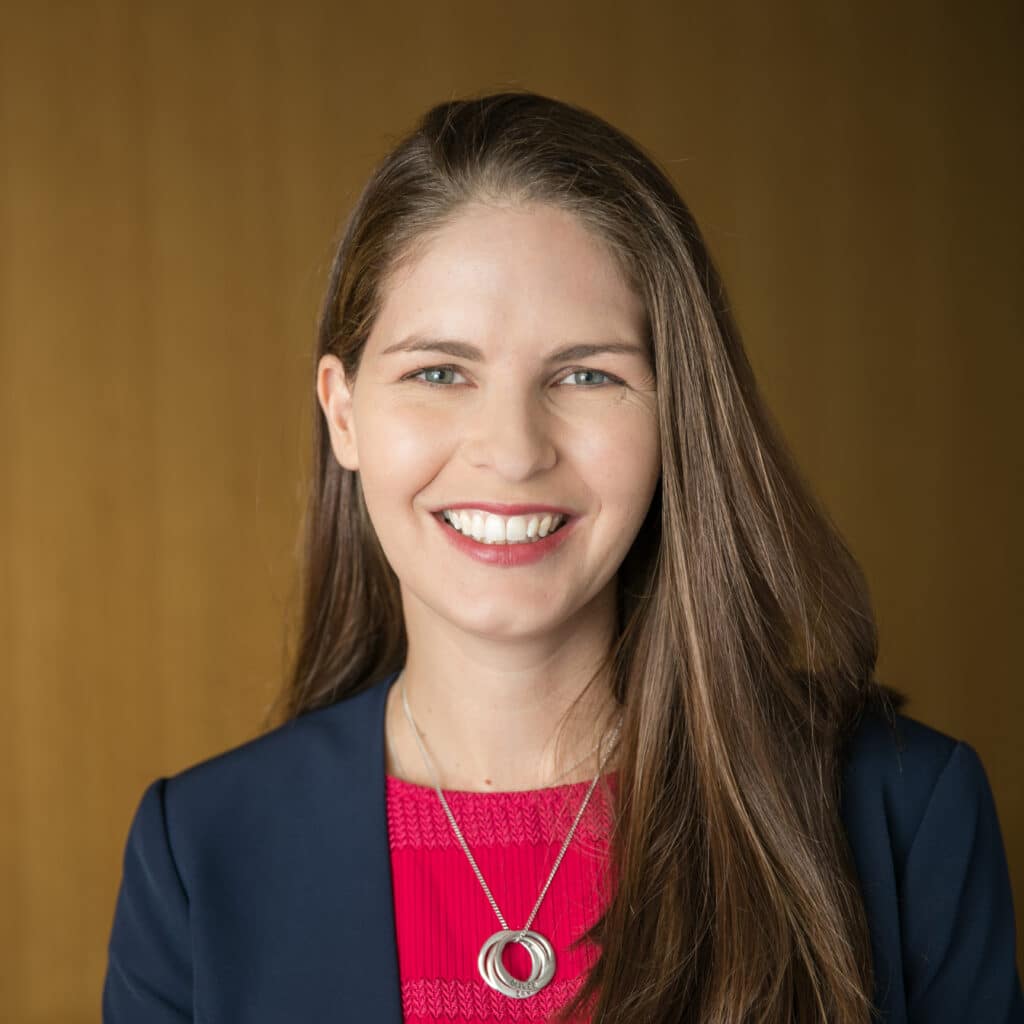
Prof Claire Wakefield
Behavioural Sciences Unit, Kids Cancer Centre, Sydney Children’s Hospital Randwick
Dr Shafagh Waters
Scientia Senior Lecturer at UNSW Sydney, Honorary Senior Scientist Sydney Children’s Hospital Randwick
Anne O’Neill
Director, Enterprise, International Partnerships and Clinical Trials, NSW Health
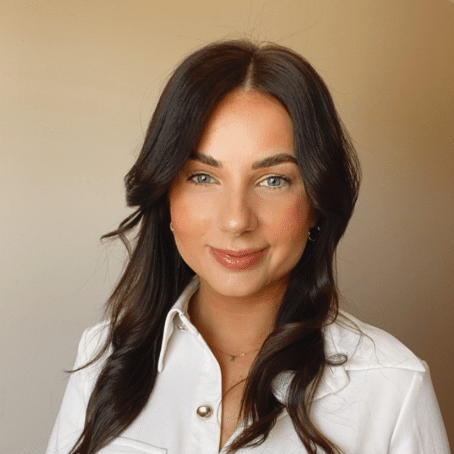
Dr Katarina Ostojic
Research Fellow, The University of Sydney & Adjunct Associate Lecturer, UNSW Sydney
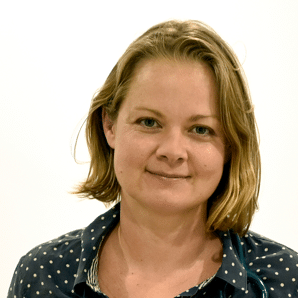
Dr (Elizabeth) Emma Palmer
Clinical Geneticist, Sydney Children's Hospitals Network Randwick, Clinical Senior Lecturer, School of Clinical Medicine, UNSW Medicine & Health Randwick Clinical Campus Discipline of Paediatrics
Dr Julia Warning
A/Director, Advanced Therapeutics Office for Health and Medical Research, NSW Ministry of Health
Alunya Wilkinson
Parent Research Advisor